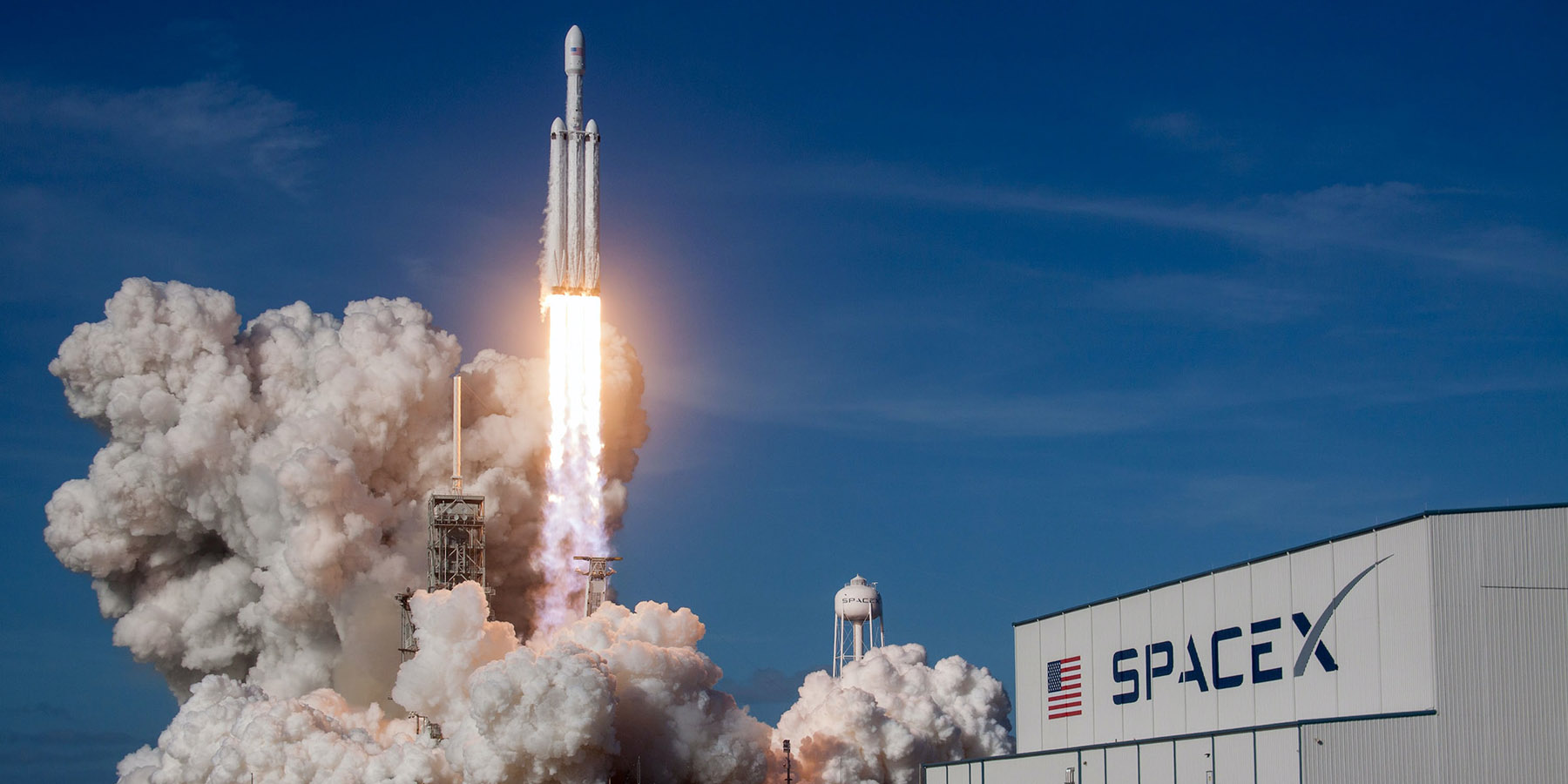
How to Invest in SpaceX: Exploring Indirect Avenues Now
Space Exploration Technologies Corp., universally known as SpaceX, has captivated the world with its audacious vision and groundbreaking achievements in aerospace. Founded by the visionary Elon Musk, SpaceX has not only redefined rocket science with reusable launch systems but also set ambitious sights on colonizing Mars and revolutionizing satellite internet through Starlink. This innovation has led to immense interest from investors eager to be part of its journey. However, a common question arises: How can I invest in SpaceX as a private individual?
Unlike publicly traded giants, SpaceX remains a privately held company. This means its shares are not readily available on stock exchanges, posing a significant hurdle for the average investor seeking direct exposure. Primarily funded through lucrative contracts with NASA, a burgeoning commercial satellite launch business, and strategic private investments, SpaceX has yet to announce any immediate plans for an Initial Public Offering (IPO). This comprehensive guide delves into the current landscape, exploring various indirect avenues to gain exposure to SpaceX's phenomenal growth, along with actionable insights and considerations for each approach.
Understanding SpaceX's Private Status and Investment Limitations
The core challenge for anyone asking, "How can I invest in SpaceX?" stems from its private company status. When a company is private, its shares are not traded on public stock markets like the NYSE or Nasdaq. Instead, ownership is typically confined to its founders, employees, and a select group of institutional and accredited private investors. This model has allowed SpaceX to pursue long-term, capital-intensive projects without the constant pressure of quarterly earnings reports and public market scrutiny.
SpaceX's funding structure is a testament to its unique position. Government contracts, especially with NASA for missions to the International Space Station and future lunar endeavors, provide a stable revenue stream. Commercial satellite launches for a diverse range of clients globally, alongside the rapid expansion of its Starlink satellite internet constellation, further bolster its financial standing. Private investment rounds from venture capitalists and other institutional investors have consistently fueled its growth and elevated its valuation, which has reportedly soared to approximately $350 billion as of late 2023/early 2024 data. However, for the individual investor, this private status means traditional stock purchases are off the table.
Gaining Indirect Exposure Through Specialized Investment Funds
While buying SpaceX stock directly is out of reach for most, several specialized investment funds have successfully acquired stakes in the company, offering a viable indirect pathway. Investing in these funds allows individuals to participate in SpaceX's potential growth, albeit without direct ownership or control over the specific allocation.
- ARK Venture Fund (ARKVX): Managed by the renowned ARK Invest, this closed-end interval fund is a notable player in disruptive innovation. As of its most recent disclosures (e.g., late 2023 / early 2024), SpaceX has been one of its largest holdings, often comprising a significant portion of its portfolio, such as around 16%. Investors in ARKVX are betting on ARK Invest's expertise to identify and invest in companies poised for exponential growth across various sectors, with SpaceX being a prime example. However, as an interval fund, ARKVX offers limited liquidity, typically allowing redemptions only at specific intervals.
- Destiny Tech 100 (DXYZ): This closed-end mutual fund is another vehicle providing substantial exposure to private tech companies, including SpaceX. Destiny Tech 100 has a significant portion of its portfolio dedicated to SpaceX, often exceeding one-third of its assets, primarily through investments in Special Purpose Vehicles (SPVs) that hold SpaceX stock. This fund aims to give retail investors access to a curated basket of high-growth, late-stage private companies that are typically inaccessible.
- Baron Partners Fund (BPTRX): Known for its focus on high-growth companies with strong management and competitive advantages, the Baron Partners Fund has also strategically allocated a portion of its assets to SpaceX. With approximately 13% of its holdings in SpaceX in recent reports, it demonstrates the fund's conviction in the company's long-term potential. Investing in BPTRX offers a more diversified approach, combining SpaceX exposure with other promising public and private entities within the fund's growth-oriented mandate.
Tips for Fund Investing: While these funds offer a convenient way to gain exposure, remember to assess their overall investment strategy, expense ratios, and historical performance. Diversification within the fund is also key, as your investment isn't solely tied to SpaceX but to the fund's entire portfolio. Always read the prospectus carefully to understand the fund's structure, risks, and liquidity provisions.
Secondary Market Opportunities for Accredited Investors
For a specific subset of investors, a more direct (though still indirect from an IPO perspective) route exists: secondary marketplaces. This option is exclusively available to accredited investors—individuals or entities meeting specific income or net worth criteria defined by regulatory bodies. Generally, this means an individual with an annual income exceeding $200,000 (or $300,000 jointly with a spouse) for the past two years, with the expectation of earning the same or more in the current year, or a net worth over $1 million (excluding the value of their primary residence).
Platforms such as Hiive and EquityZen facilitate transactions in private company stocks. These marketplaces connect existing SpaceX shareholders—often early employees, venture capitalists, or institutional investors—who wish to liquidate some of their holdings, with accredited buyers looking to acquire a stake. This can provide an opportunity to purchase shares before a potential IPO, often at a valuation agreed upon between buyer and seller.
Considerations for Secondary Markets: While appealing, secondary market investments come with unique risks. Valuations can be subjective and opaque, liquidity might be limited (making it hard to sell your shares later), and there's less regulatory oversight compared to public markets. Due diligence is paramount, and it's essential to understand the terms of any share purchase agreement fully. For a deeper dive into these nuanced investment strategies, you might find our article SpaceX Investment: Funds, Secondary Markets, & IPO Watch particularly insightful.
Anticipating a Potential SpaceX IPO
The question of "When will SpaceX go public?" is one of the most frequently asked in financial circles. While SpaceX has not made any official announcements regarding an Initial Public Offering (IPO), speculation is rampant, fueled by the company's soaring valuation and unprecedented success. A public offering would undoubtedly be one of the most anticipated market events in recent memory, likely generating immense investor demand.
Should SpaceX decide to go public, it would open the doors for virtually any investor to purchase its stock directly through a brokerage account. An IPO typically involves the company selling a portion of its shares to the public for the first time, often at a set price before trading begins. Given SpaceX's revolutionary status and strong brand, high demand and potentially significant price volatility are to be expected in the immediate aftermath of an IPO.
How to Prepare for a Potential IPO: Investors interested in participating should monitor official SpaceX announcements, financial news outlets, and reputable investment publications. Keeping funds readily available in a brokerage account and understanding the IPO allocation process (which can be complex for highly sought-after offerings) would be prudent. However, patience is key, as there's no guaranteed timeline for such an event. To better understand the dynamics and what to expect, consider reading our analysis on SpaceX IPO Anticipation & Publicly Traded Space Stocks.
Investing in Similar Publicly Traded Companies
For those who prefer investing in publicly traded companies with direct or indirect ties to the aerospace and space exploration sector, several options exist. While none are a direct substitute for SpaceX, they offer exposure to the broader industry and its potential growth.
- Tesla Inc. (TSLA): As another company founded and led by Elon Musk, Tesla offers a tangential connection to the innovation and vision often associated with SpaceX. While primarily an electric vehicle and renewable energy company, its technological advancements and Musk's leadership philosophy often draw parallels. Investing in Tesla means investing in a company at the forefront of sustainable transportation and energy, embodying a similar spirit of disruptive innovation.
- Lockheed Martin (LMT): A global aerospace, defense, security, and advanced technologies company, Lockheed Martin is a major player in space. They are involved in everything from satellite manufacturing and launch services to deep-space exploration missions for NASA. Investing in LMT provides exposure to a mature, diversified company with significant government contracts.
- Boeing (BA): While facing recent challenges, Boeing remains a behemoth in the aerospace industry, with a substantial space division. They build rockets (like the ULA's Atlas V and Delta IV Heavy), satellites, and are a key contractor for NASA's Space Launch System (SLS) and CST-100 Starliner crew capsule.
- Rocket Lab USA, Inc. (RKLB): Often seen as a competitor to SpaceX in the small satellite launch market, Rocket Lab offers a more direct publicly traded pure-play option in the emerging space sector. They specialize in dedicated small satellite launches with their Electron rocket and are developing the larger Neutron rocket.
- Virgin Galactic Holdings, Inc. (SPCE): For those interested in the burgeoning space tourism industry, Virgin Galactic offers exposure to suborbital spaceflights. While a different niche than SpaceX's orbital and interplanetary focus, it represents another facet of commercial space.
- Northrop Grumman (NOC): Another major defense contractor with significant space assets, Northrop Grumman provides launch vehicles, spacecraft, missile defense systems, and intelligence, surveillance, and reconnaissance (ISR) systems, contributing extensively to national security space programs.
Strategic Diversification: Investing in these companies allows for participation in the space economy's growth through established or emerging players. Each company carries its own risk profile and growth trajectory, providing a diversified approach compared to a single investment in SpaceX.
Conclusion
For individuals asking, "How can I invest in SpaceX?", the answer is multifaceted and requires a strategic approach. While direct investment in this pioneering private company remains elusive for the average investor, various indirect avenues offer compelling ways to gain exposure to its revolutionary impact. From specialized investment funds like ARK Venture Fund, Destiny Tech 100, and Baron Partners Fund to exclusive secondary market opportunities for accredited investors, and a watchful eye on a potential future IPO, options exist for different risk appetites and financial standings.
Furthermore, investing in publicly traded companies within the broader aerospace and defense sectors, including fellow Musk venture Tesla, or established players like Lockheed Martin and Boeing, can provide valuable exposure to the expanding space economy. Regardless of the chosen path, thorough due diligence, a clear understanding of associated risks, and consulting with a financial advisor are crucial steps to navigate the exciting, yet complex, landscape of space investment. SpaceX continues to push the boundaries of human potential, and while direct ownership isn't yet widespread, smart investors can still find ways to be part of its extraordinary journey.